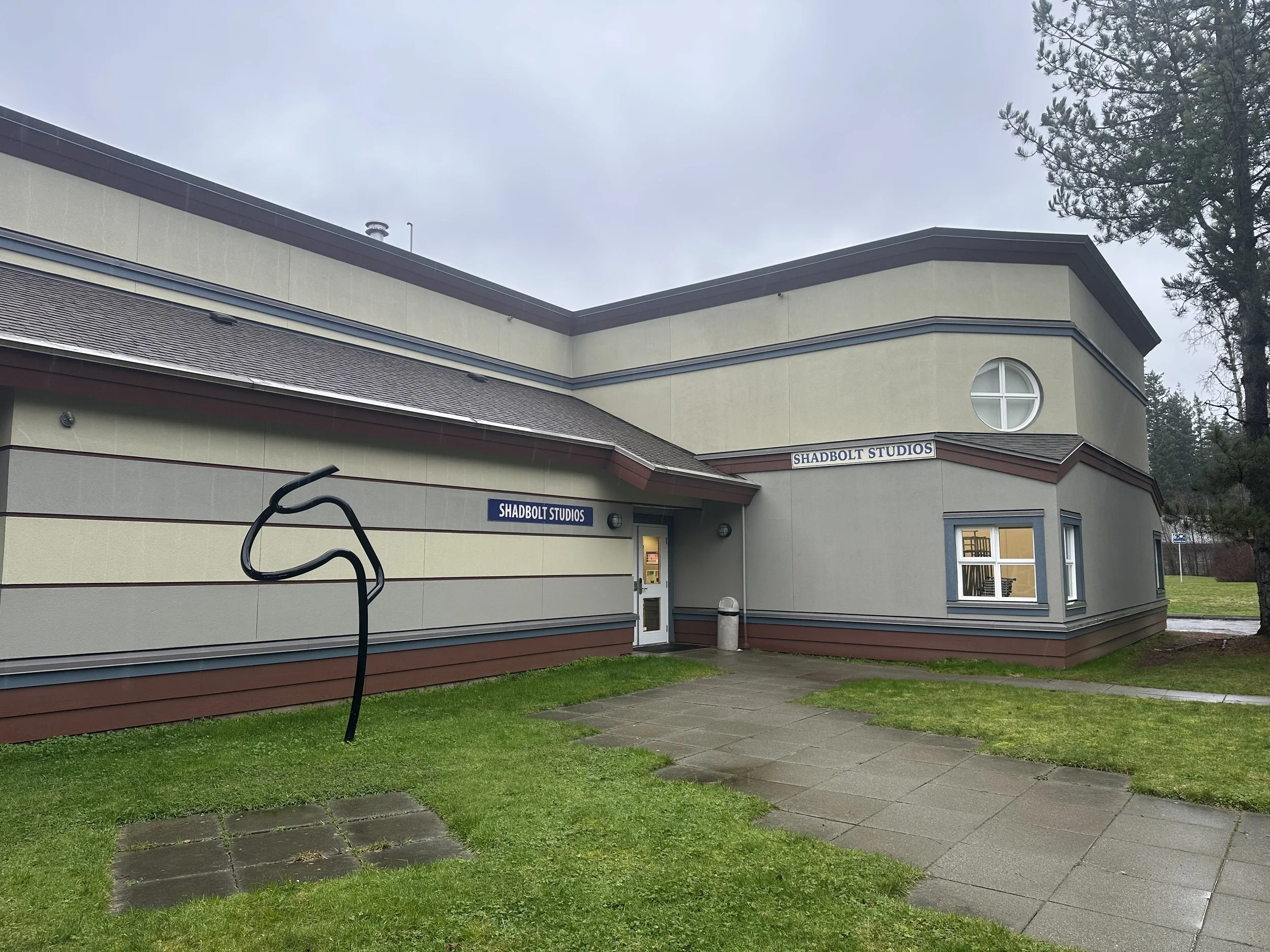
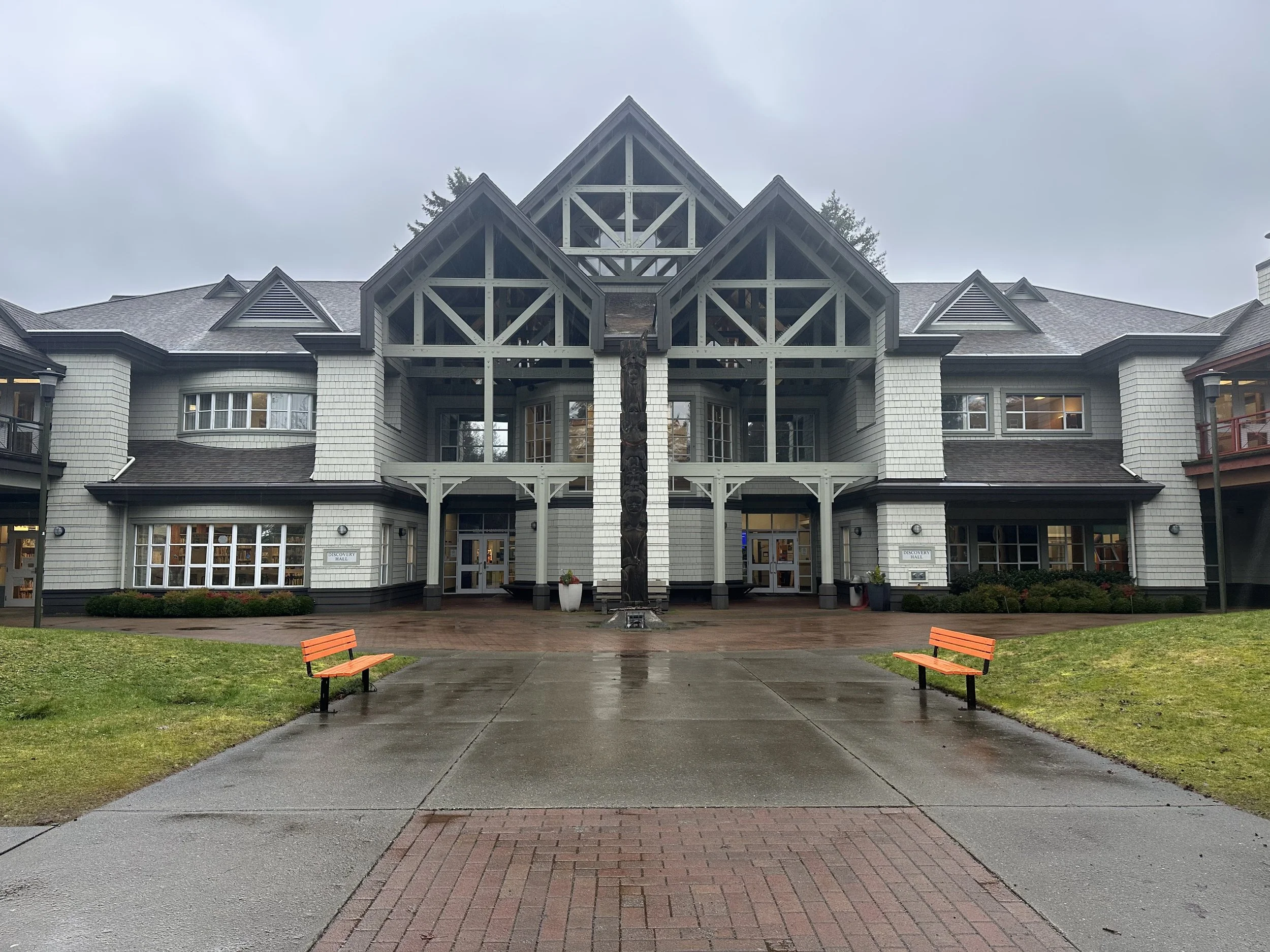
This letter was originally composed as a response to the news that North Island College is considering the removal of the entire Fine Arts Department and the Fine Arts Diploma Program. This letter was written to be included in a flurry of other student and community members voice of opinion on the matter, with the intent for it to either meet the eyes of those who were in the decision making process or for anyone else other who may find it of use when trying to protect an fine arts institution from dissolving as a member of a community. I sent the letter off and then decided to release it as an open letter on my blog in a hope to continue to bring light to the issue. As such, some alterations to the original letter were made in order to capitalize of the formatting potential offered by presenting it as a blog post. The changes are minimal, however, with the heart and the bulk of the letter remaining mostly identical to the first draft placed forward.
To the Administration, Board, and Community of North Island College,
The proposed closure of North Island College’s Fine Arts department is being framed as a necessary response to financial constraint. However, this decision misunderstands both the role of fine arts education and the broader mandate of a public post-secondary institution. Eliminating Fine Arts does not solve a budget problem—it creates a cultural, educational, and community deficit whose costs will far exceed any short-term savings.
Fine arts programs are often treated as expendable luxuries, yet they are foundational to a healthy, innovative, and resilient society. The Fine Arts department at North Island College does not merely train artists; it cultivates critical thinkers, educators, designers, cultural workers, and engaged citizens. Students who pass through these programs develop transferable skills—creative problem-solving, visual literacy, collaboration, adaptability—that are essential across industries, including those North Island College is otherwise committed to supporting.
For many students on Vancouver Island and the surrounding regions, North Island College is not a stepping stone—it is the only accessible point of entry into post-secondary education. The Fine Arts department serves students who are rural, working-class, Indigenous, mature, or otherwise excluded from elite art institutions in major urban centres. Closing the department effectively tells these students that creative education is reserved for those with money, mobility, or privilege. That message directly contradicts NIC’s stated commitment to access, equity, and community responsiveness.
The impact of this closure would extend far beyond campus walls. Local galleries, theatres, festivals, schools, non-profits, and small businesses rely on artists and cultural workers trained locally. Fine arts graduates contribute directly to the cultural economy of the North Island, often remaining in the region and reinvesting their skills, labour, and leadership back into their communities. When arts programs disappear, communities do not become more “practical”—they become poorer in imagination, connection, and civic life.
Moreover, starving arts education does not eliminate the need for art; it merely ensures that artists remain underpaid, unsupported, and undervalued. At a time when communities are facing increasing social isolation, political polarization, and economic uncertainty, the arts provide essential spaces for dialogue, expression, healing, and critique. Removing institutional support for these spaces weakens the social fabric North Island College is meant to strengthen.
Fiscal responsibility is important. But austerity applied without vision is not responsibility—it is abandonment. If Fine Arts enrollment and funding are challenges, the solution lies in investment, outreach, and integration, not erasure. Interdisciplinary programming, community partnerships, and long-term planning can strengthen the department while aligning it with institutional goals. Closure forecloses these possibilities entirely.
North Island College has an opportunity to affirm that education is not solely about immediate economic return, but about sustaining vibrant, thoughtful, and connected communities. Defending the Fine Arts department is not an act of nostalgia or sentimentality—it is a rational commitment to the long-term cultural, social, and economic health of the region.
We urge North Island College to reconsider the closure of its Fine Arts department and to work collaboratively with students, faculty, and the community to ensure its survival and growth. A college without art is not efficient—it is incomplete.
Sincerely,
Spencer Sheehan-Kalina
Concerned Student, Artist, and Community Member